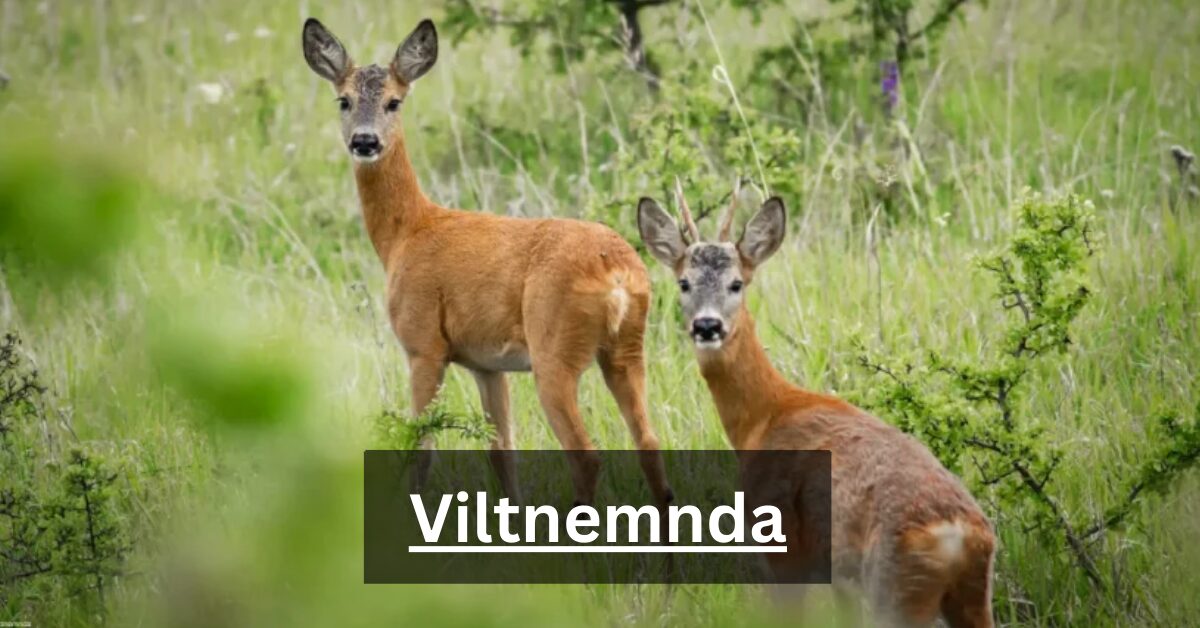
Viltnemnda is a municipal wildlife committee in Norway tasked with overseeing local wildlife management, conservation, and hunting practices. These committees play a pivotal role in maintaining the balance between humans and wildlife, ensuring sustainable coexistence. By acting as a bridge between local communities, government authorities, and environmental experts, Viltnemnda ensures that wildlife populations thrive without endangering human activity or agricultural interests.
The term Viltnemnda comes from Norwegian, where “vilt” means wildlife and “nemnda” means committee. Hence, it literally translates to “the wildlife committee.” This simple name captures its mission: responsible oversight of local wildlife, from managing hunting quotas to responding to wildlife emergencies.
Norway is renowned for its rich biodiversity and vast forests inhabited by species like moose (Elg), red deer (Hjort), and predators such as wolves and bears. Local wildlife committees ensure that populations remain healthy while minimizing conflicts between humans and animals. By integrating scientific research, community knowledge, and legal regulations, Viltnemnda contributes to both environmental sustainability and public safety.
Viltnemnda operates under the Wildlife Act (Viltloven), which regulates hunting, wildlife protection, and population management. Complementing this is the Nature Diversity Act (Naturmangfoldloven), designed to protect biodiversity and promote ecosystem-based management. Together, these laws ensure that wildlife governance in Norway follows both ethical standards and sustainable practices.
Structure and Governance of Viltnemnda
How Municipal Councils Appoint Viltnemnda Members
Local municipal councils (Kommunestyret) are responsible for appointing members of Viltnemnda. This ensures that the committees are representative of the local community and capable of making decisions that reflect both environmental and social priorities. Members are selected based on their expertise, experience, and knowledge of local wildlife ecosystems.
Viltnemnda: Norway’s Vital Local Wildlife Committees
Typical Composition: Hunters, Landowners, Biologists, Local Officials
A typical Viltnemnda includes a diverse mix of stakeholders:
Hunters and hunting association representatives, who provide practical insights on population control and quota implementation.
Farmers and landowners, who monitor human-wildlife conflicts and help reduce damage to crops or livestock.
Wildlife biologists and environmental specialists, offering data-driven advice on species conservation and habitat management.
Local officials ensure the integration of decisions into municipal governance.
This diverse composition ensures that decisions are balanced, practical, and scientifically informed.
Role of County Governors (Statsforvalteren) and Norwegian Environment Agency (Miljødirektoratet)
While Viltnemnda operates locally, it coordinates with regional and national authorities. The County Governor (Statsforvalteren) oversees regional compliance and supports municipalities with resources and guidance. The Norwegian Environment Agency (Miljødirektoratet) provides national oversight, ensuring policies align with environmental standards and laws such as Viltloven and Naturmangfoldloven.
Coordination with Other Environmental and Wildlife Agencies
Viltnemnda collaborates with other agencies and non-profits, including local hunting associations and conservation groups. This coordination ensures effective wildlife monitoring, ethical hunting practices, and biodiversity protection, while maintaining open communication with local residents.
Core Functions and Responsibilities
Wildlife Population Monitoring and Management
One of Viltnemnda’s primary responsibilities is tracking wildlife populations. Committees collect population data, monitor breeding success, and assess species health. By doing so, they can make informed recommendations on sustainable hunting quotas, habitat protection, and predator management.
Setting Hunting Quotas and Regulating Permits
Viltnemnda sets hunting quotas for species such as moose (Elg), red deer (Hjort), and roe deer (Rådyr) based on population studies and sustainability goals. Hunting permits are strictly regulated to ensure ethical and sustainable harvesting, following Norwegian hunting regulations.
Responding to Wildlife Accidents and Injured Animals
When wildlife is injured, committees coordinate rapid response through ettersøkskorps, volunteer search teams trained to rescue, track, and provide first aid to animals. They also handle wildlife collision reporting in Norway, reducing human-wildlife conflicts and improving animal welfare.
Handling Human-Wildlife Conflicts and Damage Reports (Skadefelling)
Viltnemnda addresses human-wildlife conflicts, including crop damage, livestock predation, or threats from large predators. Skadefelling permits may be issued to remove problematic animals safely, ensuring that local communities remain safe while respecting animal welfare.
Managing Local Wildlife Funds (Viltfond)
Funds collected from hunting fees and local initiatives are pooled into wildlife funds (Viltfond). These funds support research, conservation projects, and public awareness campaigns, enabling committees to invest in long-term ecological health.
Wildlife Species Managed by Viltnemnda
Moose (Elg) and Red Deer (Hjort)
These large ungulates are central to Norway’s hunting culture and ecological balance. Viltnemnda monitors population growth, migration patterns, and habitat usage, ensuring hunting quotas are sustainable while maintaining healthy ecosystems.
Roe Deer (Rådyr)
Roe deer populations are carefully monitored due to their impact on forestry and agriculture. Population data from Norway collected by Viltnemnda helps set hunting quotas and prevent overpopulation, which can cause ecological imbalances.
Predators: Wolves (Ulver), Bears (Bjørn), Lynx (Gaupe), Wolverines (Jerv)
Predators are vital for biodiversity but can also cause human-wildlife conflicts. Viltnemnda manages predator populations ethically, balancing conservation goals with farmer and community safety. Monitoring these species involves tracking technology, data analysis, and collaboration with biologists.
Strategies for Population Balance and Conservation
Viltnemnda employs sustainable hunting practices, habitat protection, and ethical wildlife management to maintain population balance. These strategies ensure that Norway’s wildlife thrives while coexisting with human communities.
Community Engagement and Public Interaction
How Locals Report Injured Wildlife
Residents play a crucial role by reporting injured or distressed animals to Viltnemnda. Committees maintain hotlines and mobile apps for quick response, ensuring timely action to safeguard wildlife.
Role of Volunteer Search Teams (Ettersøkskorps)
Volunteer search teams (ettersøkskorps) assist with tracking and rescuing animals. These teams are trained in first aid, humane handling, and GPS tracking, reinforcing the community’s active role in wildlife protection.
Collaboration with Farmers, Landowners, and Hunting Associations
Viltnemnda works closely with farmers and hunting associations, resolving issues like crop damage or livestock predation. Such collaboration fosters trust, shared responsibility, and proactive wildlife management.
Educational Programs and Public Awareness Campaigns
Committees organize workshops, seminars, and school programs to educate the public on ethical hunting, wildlife conservation, and biodiversity protection. These initiatives promote human-nature coexistence in Norway.
Conservation and Sustainability Efforts
Ethical Hunting and Sustainable Population Management
Viltnemnda emphasizes ethical hunting guidelines, ensuring animals are hunted humanely and sustainably. This approach balances ecological needs with cultural traditions and local livelihoods.
Protecting Biodiversity in Rural and Urban Areas
The committees work to protect habitats in both rural and urban areas, minimizing the impact of urban expansion on wildlife. Conservation strategies include forest management, habitat restoration, and predator protection.
Habitat Protection and Ecosystem Management
Viltnemnda’s work extends to ecosystem management, ensuring that species like moose, red deer, and lynx thrive in balanced environments. By using data-driven decisions and expert consultations, committees maintain ecological stability.
Long-Term Goals of Viltnemnda in Norway
The long-term vision includes sustainable wildlife governance, improved human-wildlife coexistence, and community-based conservation. These goals ensure that Norway’s wildlife heritage is preserved for generations.
Tools, Technology, and Data Management
Use of GPS Tracking and Camera Traps
Viltnemnda employs modern wildlife monitoring technology, including GPS collars and camera traps, to track animal movement, breeding patterns, and population health.
Mobile Apps and Reporting Tools for Wildlife Incidents
Mobile reporting platforms allow residents to submit wildlife collision reports, injuries, or sightings, ensuring rapid committee responses and better data collection.
Data-Driven Decisions for Hunting Quotas and Wildlife Protection
By analyzing population trends, migration patterns, and ecological data, Viltnemnda sets hunting quotas and conservation priorities, ensuring responsible management of Norway’s wildlife.
Research Collaboration with Biologists and Environmental Experts
Committees collaborate with wildlife biologists and environmental specialists, integrating scientific research into practical conservation strategies.
Challenges and Future Outlook
Impact of Climate Change on Wildlife Populations
Climate change is affecting migration patterns, breeding cycles, and habitat availability. Viltnemnda must adapt strategies to mitigate these effects while maintaining species balance.
Urban Expansion and Human-Wildlife Conflicts
Rapid urbanization increases encounters between humans and wildlife. Viltnemnda addresses these conflicts through education, damage mitigation, and strategic relocation.
Predator Management Debates in Norway
Managing predators like wolves and bears remains controversial. Viltnemnda uses scientific data, ethical guidelines, and stakeholder input to navigate these debates.
Recruitment and Training of Viltnemnda Members
Ensuring competent members requires training programs, community engagement, and collaboration with experts to maintain high standards of wildlife management.
Case Studies and Real-Life Examples
Examples of Successful Wildlife Conflict Resolution
Viltnemnda has successfully mediated conflicts involving moose damaging crops and predators threatening livestock, balancing human and ecological interests.
Notable Wildlife Accidents Handled by Viltnemnda
Cases of road collisions with moose and injured lynx rescues demonstrate the committee’s efficiency in rapid response and animal welfare.
Community-Driven Conservation Success Stories
Local communities collaborating with Viltnemnda have established wildlife corridors, educational programs, and volunteer search teams, creating models for sustainable conservation.
Frequently Asked Questions
What does Viltnemnda mean?
Viltnemnda is a Norwegian term meaning “wildlife committee”, responsible for local wildlife management and conservation.
Which species are managed by Viltnemnda?
Moose (Elg), Red Deer (Hjort), Roe Deer (Rådyr), Wolves, Bears, Lynx, and Wolverines.
How does Viltnemnda handle human-wildlife conflicts?
Through damage-felling (skadefelling), compensation, education, and community engagement, ensuring safe coexistence.
What laws govern Viltnemnda’s operations?
Primarily the Wildlife Act (Viltloven) and Nature Diversity Act (Naturmangfoldloven).
Can local residents participate in Viltnemnda activities?
Yes, via volunteer search teams (ettersøkskorps), reporting wildlife incidents, and educational programs.
Summary
Viltnemnda is crucial for sustainable wildlife governance in Norway, bridging science, community, and law. Through population management, ethical hunting, conservation, and public engagement, these committees ensure that both humans and wildlife can coexist harmoniously.
With continued innovation, community participation, and scientific guidance, Viltnemnda represents a powerful model of local wildlife management that prioritizes biodiversity, ethical practices, and long-term ecological stability.