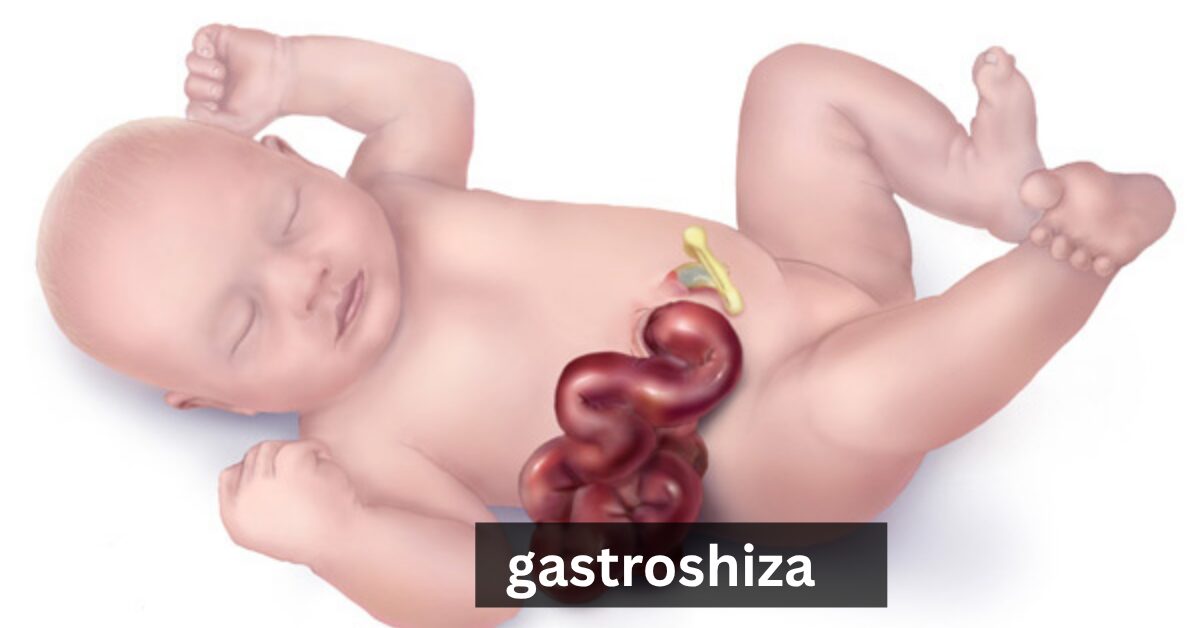
Gastroshiza is a rare congenital condition that affects newborns, where part of the baby’s intestines protrudes outside the abdominal wall through a small defect near the belly button. This condition, also medically known as gastroschisis, represents a periumbilical abdominal wall defect that requires immediate medical attention at birth. Gastroshiza can be overwhelming for parents to understand, but with advances in prenatal diagnosis, neonatal intensive care, and surgical techniques, the prognosis for babies born with Gastroshiza has improved significantly. Hospitals like Johns Hopkins Medicine, Cleveland Clinic, and Great Ormond Street Hospital (GOSH) provide comprehensive guidance and care for infants affected by this condition, ensuring that both short-term and long-term outcomes are optimized.
Understanding Gastroshiza is crucial for parents, caregivers, and health care professionals alike. Early awareness helps families plan for delivery in specialized facilities equipped with NICU care for Gastroshiza, and it allows medical teams to prepare for gastroschisis surgery immediately after birth. Unlike omphalocele, Gastroshiza presents without a protective membrane covering the intestines, which increases the risk of infection, fluid loss in newborns, and intestinal edema. Awareness of the condition empowers families to make informed decisions, seek timely medical attention, and follow the appropriate follow-up care protocols.
Understanding the Causes of Gastroshiza
The exact causes of Gastroshiza are not fully understood, but research indicates that a combination of genetic and environmental risk factors contributes to the condition. During embryological development, the abdominal wall forms as muscles and skin fuse to enclose the abdominal organs. In Gastroshiza, this process is disrupted, often due to amnio-ectodermal separation, resulting in an opening through which the intestines protrude. Researchers have also implicated abnormalities in the yolk duct and vitelline vessels, which play a crucial role in early intestinal development. These defects allow the intestines to herniate into the amniotic cavity, exposing them directly to amniotic fluid, which can irritate the bowel and cause bowel evisceration and edema.
Genetic influences on Gastroshiza are rare but possible. While most cases occur sporadically, studies referenced by the National Organization for Rare Disorders (NORD) and Genetic Rare Disease Center (GARD) suggest that familial patterns do occur occasionally. The combination of genetic susceptibility and maternal environmental factors, such as maternal smoking, alcohol consumption, and teratogen exposure, can increase the likelihood of Gastroshiza in a newborn. Another key factor identified by the CDC is young maternal age, typically under 20 years old, which is associated with a higher incidence of Gastroshiza. Recognizing these risk factors can assist obstetricians in offering preventive counseling and enhanced prenatal monitoring.
Gastroshiza: Causes, Diagnosis, and Treatment Explained
How Gastroshiza is Diagnosed
Early detection of Gastroshiza is possible through prenatal ultrasound, which is the primary method for identifying this congenital abdominal wall defect. During a routine ultrasound, physicians may observe the intestines floating freely in the amniotic fluid outside the fetal abdominal cavity, a hallmark sign of Gastroshiza. Advanced imaging techniques, including MRI, may be used in complex cases to evaluate the condition more thoroughly and to detect any additional abnormalities in the abdominal organs. Furthermore, alpha-fetoprotein (AFP) screening in maternal blood can provide an indication of abdominal wall defects like Gastroshiza, although ultrasound remains the definitive diagnostic tool.
At birth, Gastroshiza is usually immediately apparent, as the baby’s intestines are exposed outside the abdominal wall without any protective sac. This exposure requires prompt surgical intervention and specialized NICU care for Gastroshiza. Early diagnosis not only helps in planning for the delivery at a facility equipped for neonatal surgery but also allows health care teams to anticipate potential complications such as bowel ischemia, intestinal atresia, and necrotizing enterocolitis (NEC). Accurate prenatal and postnatal diagnosis is critical to ensure the infant receives timely and effective care.
Symptoms and Complications of Gastroshiza
Newborns with Gastroshiza face several immediate risks due to the external exposure of their intestines. One of the most pressing concerns is the increased risk of infection, as the intestines are directly exposed to the environment. Additionally, fluid loss and heat loss can be severe, potentially leading to dehydration and hypothermia. Intestinal swelling or edema is common due to amniotic fluid exposure, and the bowel can be fragile, making careful handling essential. Babies with Gastroshiza are also at risk for bowel ischemia, malrotation, volvulus, and intestinal atresia, which can complicate both surgical repair and recovery.
Long-term complications of Gastroshiza may include short bowel syndrome, digestive issues, and nutritional challenges. Infants may require nutritional support via IV/TPN until their intestines are fully functional. Continuous monitoring and follow-up care are critical to identify and manage conditions like long-term gastrointestinal morbidity, ensuring the best possible growth and development. Support from specialized institutions, such as Boston Children’s Hospital, is often necessary for managing complex complications and ensuring optimal long-term outcomes.
Treatment and Surgical Management
Treatment of Gastroshiza is primarily surgical. The two main approaches are primary closure Gastroshiza and staged repair Gastroshiza, depending on the size of the defect and condition of the intestines. Primary closure involves directly returning the intestines into the abdominal cavity and closing the defect, while staged repair uses a surgical silo bag to gradually reduce the intestines over several days before final closure. The silo repair technique, supported by guidelines from NORD, has revolutionized care by allowing safer management of severe cases without forcing swollen intestines back into the abdomen prematurely.
Postoperative care in the NICU is crucial, as infants may require ventilator support, IV nutrition, antibiotics, and continuous monitoring. Specialized hospitals such as Cleveland Clinic and GOSH Hospital site provide comprehensive surgical and postoperative care to ensure smooth recovery. Pediatric surgeons coordinate with neonatologists and nutrition specialists to manage complications, reduce infection risk, and support early feeding and growth. The role of advanced neonatal care cannot be overstated, as timely intervention significantly improves the gastroschiza prognosis and reduces neonatal mortality.
Prognosis and Long-Term Outcomes
The prognosis for babies with Gastroshiza has improved dramatically with modern surgical techniques and neonatal care. Survival rates are high when treatment is initiated promptly and NICU care for Gastroshiza is available. Factors influencing prognosis include the size of the abdominal wall defect, presence of additional anomalies, and the health of the intestines at birth. Many children achieve normal growth and development, although some may experience mild digestive challenges or require ongoing nutritional support.
Follow-up care is essential for monitoring intestinal function, growth, and long-term gastrointestinal health. Hospitals like Boston Children’s Hospital provide specialized programs for monitoring potential complications such as short bowel syndrome, ensuring that children with Gastroshiza achieve healthy developmental milestones. Success stories of recovery are increasingly common, providing hope and reassurance to families facing this challenging diagnosis.
Preventive Measures and Risk Reduction
Although Gastroshiza cannot always be prevented, maternal health and lifestyle choices play a significant role in reducing risk. Avoiding smoking, alcohol, and teratogenic substances during pregnancy is strongly advised. Ensuring adequate prenatal care, including routine prenatal ultrasound and AFP screening, allows early detection of abdominal wall defects and preparation for specialized care. Families with a history of congenital defects may benefit from genetic counseling and family planning, guided by insights from Genetic Rare Disease Center and NORD, to assess potential risks.
Support for Families and Caregivers
The emotional and psychological support for parents of babies with Gastroshiza is vital. Awareness and guidance from organizations like March of Dimes, NORD, and GARD provide resources for coping with the stress of caring for a newborn requiring surgery and prolonged hospitalization. Tips for home care after hospital discharge include managing nutrition, monitoring for signs of infection, and adhering to follow-up care schedules. These measures help families navigate recovery confidently and support long-term health for their children.
Current Research and Future Directions
Ongoing research is focused on improving gastroschiza surgery, neonatal care protocols, and understanding the underlying causes of this congenital defect. Advances in minimally invasive techniques, improved NICU management, and refined nutritional strategies are enhancing outcomes. Studies continue to examine the roles of maternal age, environmental exposures, and genetic factors in the development of Gastroshiza, helping clinicians offer more effective preventive advice and counseling to expectant parents.
Frequently Asked Questions
What is the difference between Gastroshiza and omphalocele?
Gastroshiza involves intestines protruding outside the body without a protective sac, while omphalocele includes a membranous covering over the organs.
Can Gastroshiza be detected before birth?
Yes, Gastroshiza can often be identified through prenatal ultrasound and alpha-fetoprotein (AFP) screening during pregnancy.
What are the survival rates for babies with Gastroshiza?
Survival rates are high with prompt surgical intervention and NICU care, often exceeding 90% in modern medical centers.
Is Gastroshiza hereditary?
Most cases are sporadic, but rare genetic patterns exist, and family history may slightly increase risk.
How long is the recovery after surgery?
Recovery varies depending on the defect’s severity, but infants typically remain in the NICU for days to weeks, with follow-up care for nutrition and bowel function.
Summary
Gastroshiza is a challenging congenital condition, but modern medicine provides hope and effective care for affected newborns. Early prenatal diagnosis, access to specialized neonatal care, timely surgical repair, and attentive follow-up are critical to ensuring favorable outcomes. Awareness among parents, caregivers, and health care professionals empowers families to navigate the diagnosis with confidence. With advances in neonatal surgery and multidisciplinary support, many children with Gastroshiza grow up healthy and thrive despite the initial challenges.