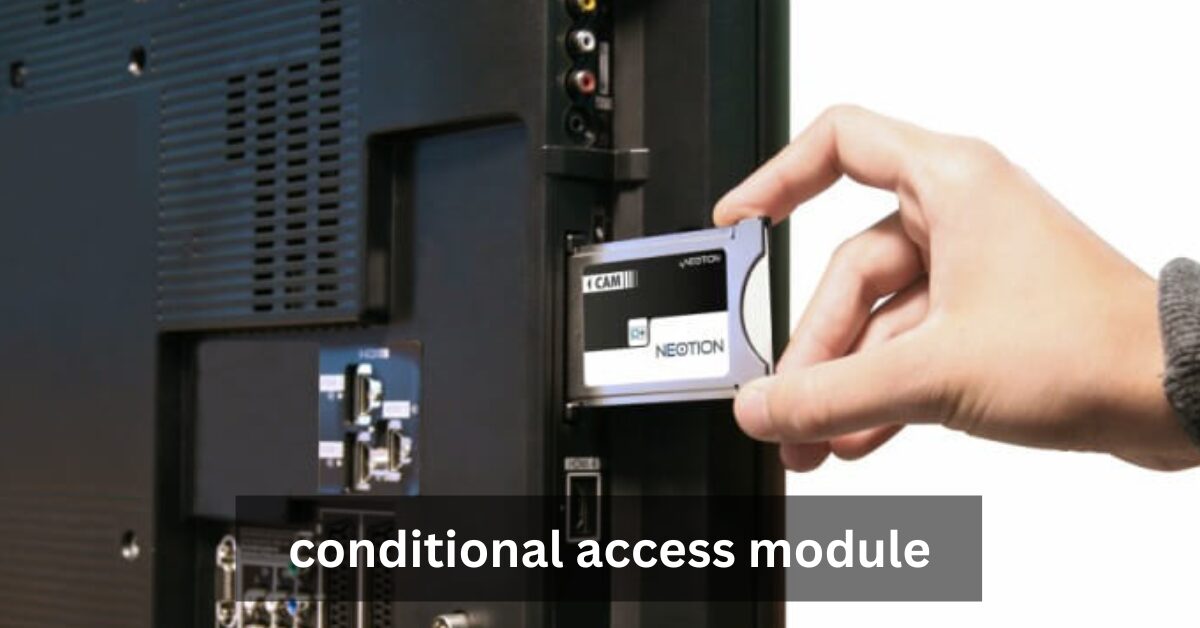
In the era of digital television, where high-definition (HD) and ultra-high-definition (4K) content are streamed across multiple devices, secure access to TV content has become more critical than ever. A conditional access module (CAM) plays a pivotal role in ensuring that premium TV content is protected and delivered only to authorized users. Whether you are a subscriber of cable, satellite, or IPTV services, a CAM is the key to unlocking encrypted channels safely and efficiently.
A conditional access module is not just a technical accessory; it is the bridge between subscription services and your television, allowing seamless access to pay-TV channels. It works in tandem with smart card technology, ensuring that only legitimate subscribers can view premium content. For viewers, this translates into worry-free entertainment with secure access and reliable viewing quality.
In simple terms, CAM transforms your TV into a secure gateway, decrypting content from broadcasters while keeping unauthorized viewers out. It is compatible with various devices, including set-top boxes (STBs), modern TVs with CI+ (Common Interface Plus) slots, and even IPTV platforms. Understanding its role in today’s digital ecosystem is essential for anyone looking to maximize their TV experience.
RELATED: ABCTM: Meaning, Uses, and Insights for SEO
Understanding Conditional Access Systems (CAS)
A conditional access system (CAS) is the technology that underpins the functionality of a CAM. It is a comprehensive framework used by broadcasters and service providers to encrypt TV content and manage subscriber access. CAS ensures that only authorized users can access specific channels or services while protecting content from piracy.
The difference between a CAM and a CAS is important to note. While a CAM is the hardware module inserted into your TV or set-top box, a CAS refers to the entire encryption and subscriber management system implemented by the service provider. In other words, the CAS controls who gets access, and the CAM is the key that unlocks that access at your end.
CAS works in close collaboration with broadcasters, cable operators, and satellite operators. When a subscriber requests access to a channel, the CAS verifies the credentials stored in the TV smart card module and sends the appropriate decryption keys to the CAM. This interaction ensures a smooth, secure, and reliable viewing experience without compromising content protection.
How a Conditional Access Module Works
The operation of a conditional access module involves multiple steps, each designed to maintain the security of premium TV content. The process begins with digital television encryption, where the broadcaster encrypts content using advanced algorithms. The encrypted signal is then transmitted through cable, satellite, or IPTV networks.
Next, the smart card inserted into the CAM serves as the authorization key. This card contains subscriber information, encryption keys, and other necessary data to validate access. Once inserted into the CAM slot of your TV or set-top box, the module reads the smart card and decrypts the signal in real-time.
Finally, the decrypted content is transmitted to your TV screen, allowing you to enjoy uninterrupted viewing. The integration between the CAM, set-top box, and TV ensures that digital TV security remains robust while maintaining user-friendly operation. Advanced modules, such as CI+ modules, also include additional layers of protection like HDCP to secure HD and 4K content.
Types of Conditional Access Modules
CI (Common Interface) Modules
The CI module is the standard hardware used in most digital TVs. It provides a physical interface where the smart card is inserted. CI modules are compatible with many cable TV CAMs and basic subscription services. They provide reliable access to encrypted channels while maintaining compatibility across different devices.
CI+ Modules and Enhanced Security Features
CI+ (Common Interface Plus) is an advanced version of the standard CI module. It includes additional encryption and security protocols, ensuring that HD and 4K content remains protected from piracy. Many modern TVs and set-top boxes (STBs) are CI+ compliant, making them ideal for accessing premium channels securely.
Integrated CAMs in Modern TVs
Some TVs now come with integrated CAMs, eliminating the need for a separate module. These integrated systems combine smart card reading and decryption functionality within the TV itself, providing a more streamlined and user-friendly experience.
Comparison of CI vs CI+ vs Integrated CAM
- CI modules: Basic functionality, compatible with standard subscription services.
- CI+ modules: Advanced security, support for HD and 4K content.
- Integrated CAMs: Built-in convenience, fewer components, ideal for modern TVs.
Benefits of Using a Conditional Access Module
Secure Access to Subscription TV Content
One of the primary benefits of a CAM is the secure access it provides to pay-TV services. By decrypting encrypted signals only for authorized users, it prevents unauthorized viewing and protects broadcaster revenue.
Compatibility Across Multiple Devices
CAMs are highly versatile and compatible with various satellite TV conditional access systems, cable networks, and IPTV services. This flexibility ensures that users can switch devices without worrying about losing access to their subscriptions.
Portability and Flexibility for Users
Many CAMs are portable, allowing users to move them between TVs or set-top boxes. This portability is particularly useful for households with multiple viewing devices or for users who travel frequently.
Managing Subscriptions and Parental Controls
With a CAM, users can manage multiple subscriptions and implement parental controls for secure content delivery. Features such as channel restrictions and age-appropriate filters help families maintain a safe and controlled viewing environment.
Applications of Conditional Access Modules
Cable TV Systems
CAMs are widely used in cable TV networks, enabling secure access to premium channels, pay-per-view content, and HD broadcasts. Cable operators rely on cable TV CAMs to protect content and ensure a smooth user experience.
Satellite TV Operators
Satellite services use CAMs to provide satellite TV conditional access, ensuring that only subscribers can decrypt satellite signals. Popular modules from Nagravision, Viaccess, and Irdeto are commonly used in this domain.
IPTV Services
The rise of IPTV platforms has expanded the need for IPTV conditional access. CAMs, integrated with CAS systems, allow IPTV providers to securely deliver content while preventing unauthorized access or piracy.
OTT and Streaming Content Protection
Even in the era of over-the-top (OTT) streaming, conditional content delivery remains crucial. Some hybrid systems integrate CAM technology to ensure that premium OTT content is protected in addition to traditional broadcasts.
Popular Conditional Access Module Technologies and Brands
Several leading technologies and brands dominate the CAM landscape:
- Nagravision: A widely used conditional access technology for satellite and cable systems.
- Viaccess: Provides secure content protection and flexible CAS solutions.
- Irdeto: Focuses on digital TV security and video content protection.
- Conax and Mediaguard: Offer advanced TV decryption technology for global operators.
- CI+ standard and DVB compliance: Ensures compatibility with modern digital broadcasting standards and HD/4K encryption.
These brands and technologies represent industry-leading solutions trusted by pay-TV services, satellite operators, and IPTV providers worldwide.
Troubleshooting and Common Issues
CAM Not Detected by TV or Set-Top Box
A common issue occurs when the TV or set-top box CAM does not recognize the module. This can result from improper insertion, outdated firmware, or compatibility issues.
Smart Card Errors and Solutions
Smart card errors are often related to expired subscriptions, incorrect insertion, or damaged cards. Ensuring correct placement and updating subscription status usually resolves the problem.
Firmware Updates and Compatibility Checks
Updating the firmware of both the CAM and the set-top box (STB) is essential for smooth operation. Many modules require periodic updates to stay compatible with evolving CAS systems.
Tips for Maintaining Optimal Performance
Regularly check for firmware updates.
Keep the CAM slot TV free of dust and debris.
Handle smart cards carefully to prevent damage.
Consult the service provider for troubleshooting support.
Future of Conditional Access Modules
CAM in 4K, 8K, and UHD Content
With the proliferation of HD, 4K, and even 8K content, HD and 4K TV content encryption has become essential. CAMs are evolving to handle higher-resolution signals while maintaining strong content protection.
Integration with IPTV and Hybrid Platforms
Modern CAMs are increasingly compatible with IPTV providers and hybrid streaming platforms, ensuring secure content delivery across multiple devices and networks.
Evolution of Digital Content Protection
Digital TV security continues to advance, with video content protection, HDCP, and CAS improvements helping to prevent piracy and unauthorized access.
Trends in Conditional Content Delivery
The future points toward seamless integration of CAMs with OTT platforms, smarter subscription management, and AI-driven content protection for enhanced user experience.
RELATED: Boelis: Unlocking the Power of Modern Workflow
Frequently Asked Questions
Can I use one CAM for multiple TVs?
many CAMs are portable and can be moved between compatible TVs or set-top boxes, though the subscription must support multi-device access.
What is the difference between CI and CI+ modules?
CI modules are standard interface modules, while CI+ modules provide enhanced encryption, security, and support for HD and 4K content.
How do I upgrade a CAM?
Upgrades typically involve updating the firmware via the TV or set-top box and ensuring your smart card is up to date with your subscription provider.
Are CAMs still relevant in the streaming era?
Absolutely. While streaming platforms use digital rights management (DRM), CAMs remain essential for traditional cable, satellite, and hybrid IPTV services.
Summary
A conditional access module is the cornerstone of secure digital TV access, bridging the gap between broadcasters, service providers, and viewers. With CAMs, users gain secure access to subscription TV content, enhanced digital TV security, and a seamless viewing experience across multiple devices.
By understanding the different types of CAMs, their functionalities, and the leading brands like Nagravision, Viaccess, and Irdeto, users can make informed choices when selecting a module. As content delivery technology advances toward 4K, 8K, and IPTV integration, CAMs continue to evolve, providing reliable, secure, and high-quality entertainment for subscribers worldwide.
Investing in the right CAM ensures that your digital TV experience remains secure, enjoyable, and future-proof.