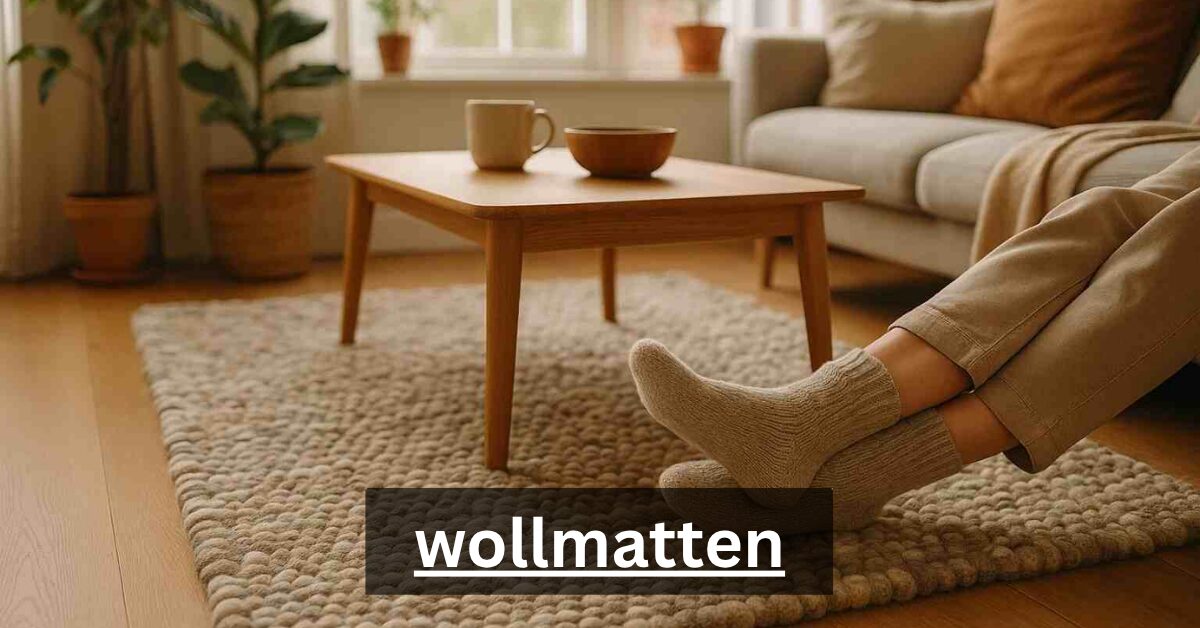
Wollmatten—or wool mats—are transforming the way people think about insulation, interior design, and gardening. Derived from sheep’s wool (Schafwolle), Wollmatten are versatile, eco-friendly, and highly functional, providing both comfort and sustainability. In modern homes and gardens, Wollmatten serve as thermal insulation with wool (Wärmedämmung mit Wolle), acoustic dampeners, moisture regulators, and even decorative elements. These natural mats not only enhance the aesthetic appeal of spaces but also contribute significantly to environmental conservation by using a renewable resource that is biodegradable and recyclable.
The growing demand for sustainable building materials has made Wollmatten an essential component in eco-conscious construction projects. They are used in walls, floors, ceilings, and as underlays for carpets or rugs. Beyond buildings, Wollmatten have found their way into gardens, acting as biodegradable mats that suppress weeds, regulate soil moisture, and improve soil quality over time. With brands like ISOLENA, Daemwool Naturdämmstoffe GmbH, RosEcoMat, and Windhager leading the way, Wollmatten have become a benchmark for environmentally responsible insulation solutions that balance functionality, health benefits, and sustainability.
The concept of using wool for insulation is not new. Historically, Schafwolle (sheep’s wool) was utilized in European households for warmth, bedding, and protection against cold. In Germany and neighboring countries, wool mats evolved from simple handcrafted layers of fleece into sophisticated mats designed for insulation and durability. Over centuries, the traditional craft of wool felt-making laid the foundation for modern Wollmatten, which now serve advanced roles in eco-friendly construction and home comfort.
Traditionally, wool mats were used in rural homes to cover floors, protect furniture, and provide warmth. These mats offered natural insulation, absorbed moisture, and regulated indoor humidity. As environmental consciousness grew, these simple mats were adapted into modern natural insulation sheep wool (Naturdämmung Schafwolle) solutions. Today, Wollmatten are engineered to meet precise building standards for thermal conductivity, fire resistance, and sound absorption, blending centuries-old techniques with modern technology for sustainable insulation (nachhaltige Dämmstoffe).
Types of Wollmatten
Felted Wool Mats vs. Carded Wool Mats
Wollmatten are available in two primary forms: felted wool mats and carded wool mats. Felted mats are denser, providing superior thermal insulation and acoustic benefits, making them ideal for walls, floors, and ceilings. In contrast, carded wool mats are lighter and more flexible, often used in garden applications, crafts, or as underlays for carpets and rugs. Both types retain wool’s natural properties, including hygroscopic moisture regulation (Feuchtigkeitsregulierung Wolle) and fire resistance (Brandschutz Wolle).
Thick vs. Thin Mats: Choosing the Right Density
The density and thickness of Wollmatten influence their performance. Thick mats provide enhanced insulation and soundproofing, while thinner mats are perfect as decorative underlays or lightweight garden solutions. Selecting the appropriate density depends on the intended application—thermal insulation, acoustic panels, or garden coverage—ensuring optimal efficiency and long-term performance.
Specialty Types: Acoustic, Thermal, Garden Mats
Modern Wollmatten are often specialized for specific purposes. Acoustic wool mats (Akustik Wollmatten) are designed to absorb noise and reduce echo in interior spaces, creating a serene and peaceful environment. Thermal wool mats maximize energy efficiency through heat retention. In outdoor settings, Wollmatten for gardens (Wollmatten Garten) serve as natural, biodegradable mats that protect soil, prevent weed growth, and contribute nutrients back to the environment as they decompose.
Key Properties and Benefits
Thermal Insulation with Wool (Wärmedämmung mit Wolle)
Wollmatten are exceptional for thermal insulation with wool due to the crimped structure of sheep wool fibers, which trap air and reduce heat transfer. Unlike synthetic insulation, wool maintains its insulating properties even in humid conditions, offering a reliable solution for both cold winters and warm climates. Products like Daemwool Naturdämmstoffe GmbH mats are specifically engineered for Wollmatten Dämmung (wool mat insulation), balancing energy efficiency with sustainable building practices.
Acoustic Insulation: Sound Absorption and Echo Reduction (Akustik Wollmatten)
One of the often-overlooked benefits of Wollmatten is their acoustic performance. Schafwoll Akustikplatte (sheep wool acoustic panels) absorb sound waves, minimize echo, and provide a quieter, more comfortable indoor environment. Whether installed in residential or commercial spaces, Wollmatten contribute to enhanced well-being and productivity by reducing unwanted noise levels.
Wollmatten: The Complete Guide to Sustainable Wool Mats
Moisture Regulation: Hygroscopic Nature of Wool (Feuchtigkeitsregulierung Wolle)
The hygroscopic nature of wool enables Wollmatten to absorb moisture from the air and release it gradually, helping maintain consistent indoor humidity levels. This natural moisture regulation (Feuchtigkeitsregulierung Wolle) prevents condensation, mold growth, and maintains a healthier living environment. Brands like ISOLENA and RosEcoMat leverage this property to create natural wool insulation mats that contribute to both comfort and air quality.
Fire Resistance and Safety (Brandschutz Wolle)
Wollmatten are inherently flame-resistant due to wool’s high ignition temperature. Unlike many synthetic alternatives, these mats do not readily catch fire, making them a safer choice for insulation and interior applications. Fire-resistant wool mats offer peace of mind in both residential and commercial buildings, aligning with modern safety standards.
Sustainability: Biodegradable and Eco-Friendly (Nachhaltige Dämmstoffe)
Wool is a renewable resource, regrowing annually and requiring minimal processing compared to synthetic materials. Wollmatten are biologically degradable (biologisch abbaubare Dämmung), contributing to circular economy practices and reducing landfill waste. Companies like Wolveyes highlight the environmental benefits of Wollmatten, emphasizing sustainability without compromising performance.
Applications of Wollmatten
Construction and Home Insulation (Schafwolldämmung ökologisch)
In modern construction, Wollmatten are used extensively for insulating walls, floors, and ceilings. Their natural properties provide thermal comfort, acoustic damping, and fire resistance, making them a superior alternative to conventional insulation. Eco-conscious builders rely on Wollmatten to achieve energy-efficient, environmentally friendly homes while meeting regulatory standards.
Interior Design and Decor: Rugs, Underlays, Carpets (Wollmatten Teppiche / Unterlage)
Beyond insulation, Wollmatten are used as decorative rugs, carpet underlays, and furniture protectors. Their soft texture and natural fibers enhance indoor aesthetics while maintaining comfort. Thick felted mats act as cozy underlays, whereas thinner mats serve as protective layers for flooring, extending longevity and reducing noise.
Gardening and Landscaping: Weed Suppression, Soil Protection (Wollmatten Garten)
In gardens, Wollmatten are increasingly popular for weed suppression, soil protection, and moisture retention. Biodegradable mats gradually decompose, enriching the soil with nutrients, reducing the need for chemical fertilizers, and supporting sustainable gardening practices.
DIY and Craft Projects: Felt Boards, Craft Mats
Crafters and DIY enthusiasts use Wollmatten as felt boards, art mats, and protective surfaces. Their natural texture allows easy handling, cutting, and shaping, making them ideal for creative projects while maintaining the environmental benefits of natural wool.
How Wollmatten are Made
The production of Wollmatten begins with carefully sourced sheep’s wool (Schafwolle). Wool is cleaned, carded, and either felted or layered to form mats of varying thickness and density. Felted mats undergo heat and pressure treatments to bind fibers together, while carded mats are less dense and more flexible. Advanced manufacturing ensures that Wollmatten retain properties such as thermal insulation, acoustic performance, moisture regulation, and fire resistance. Environmentally conscious production also minimizes water and energy consumption, reducing the carbon footprint.
Brands and Products
- Several brands have become pioneers in high-quality Wollmatten production:
- ISOLENA specializes in sheep wool felt insulation, offering mats certified with the NaturePlus® eco-label and providing reliable thermal and acoustic performance.
- Daemwool Naturdämmstoffe GmbH produces dense wool mats suitable for residential and commercial insulation projects.
- RosEcoMat offers blown wool insulation mats for flexible application in walls, ceilings, and floors.
- Windhager manufactures wool felt mats for both construction and decorative purposes, balancing functionality and aesthetics.
- These brands differentiate themselves through product thickness, density, and application versatility, allowing consumers and builders to select mats tailored to specific needs.
Technical Considerations
When using Wollmatten, proper installation ensures maximum efficiency. Mats must fit snugly in walls or floors to prevent heat loss and maintain acoustic benefits. Compression and fit are crucial, as over-compressed mats may lose insulating performance. Pest resistance treatments can prevent moth damage, while moisture management and water vapor diffusion are critical for avoiding condensation and mold. Following manufacturer guidelines ensures optimal performance and longevity.
Environmental Impact
Wollmatten stand out for their low environmental impact. Wool is renewable and biodegradable, reducing reliance on synthetic insulation materials. Used or discarded mats can be recycled or composted (Wollmatten Recycling / Kompostierung), contributing to the circular economy. Certifications like NaturePlus® and ISO standards provide assurance that these mats meet stringent environmental and safety requirements.
Cost Analysis and Trade-Offs
While Wollmatten may have a higher upfront cost compared to synthetic insulation, their long-term value is significant. Energy savings, durability, moisture regulation, and fire resistance make them cost-effective over time. Availability may vary by region, but leading brands provide reliable distribution, ensuring that quality Wollmatten are accessible to environmentally conscious homeowners and builders.
Case Studies and Real-Life Examples
Wollmatten have been successfully integrated into homes, offices, and gardens worldwide. In residential settings, Schafwolldämmung ökologisch has reduced energy consumption while improving indoor comfort. Gardeners have adopted Wollmatten for soil protection, resulting in healthier plants and reduced chemical use. DIY enthusiasts use mats creatively for craft projects, demonstrating their versatility beyond construction.
Care and Maintenance
Maintaining Wollmatten is straightforward. Regular vacuuming or gentle brushing preserves texture and function, while avoiding moisture accumulation prevents mold. At the end of their life, mats can be composted, reinforcing their eco-friendly nature. Proper care extends both aesthetic and functional benefits for years.
Future Trends
The future of Wollmatten is promising, with innovations in thermal-acoustic technology and sustainable manufacturing. As the demand for eco-building materials rises, Wollmatten are poised to become a mainstream solution for energy-efficient homes and green architecture. Research in enhanced wool treatments, fire resistance, and acoustic optimization continues to expand their applications.
Frequently Asked Questions
What are Wollmatten made of?
Wollmatten are made from sheep’s wool (Schafwolle), which is cleaned, carded, and either felted or layered to form mats suitable for insulation, gardening, and decorative use.
Are Wollmatten fire-resistant?
Yes, wool naturally has a high ignition temperature, making Wollmatten a fire-resistant (Brandschutz Wolle) and safe insulation option.
Can Wollmatten be used in gardens?
Absolutely. Wollmatten Garten are biodegradable mats used for weed suppression, soil protection, and moisture retention, gradually enriching the soil.
How long do Wollmatten last?
With proper installation and care, Wollmatten can last for decades, retaining thermal, acoustic, and moisture-regulating properties.
Are Wollmatten environmentally friendly?
Yes, they are made from a renewable resource, are biodegradable, and can be recycled or composted, making them an excellent sustainable insulation material.
Summary
Wollmatten are more than just wool mats—they are versatile, eco-friendly, and highly functional solutions for modern living. Their natural properties provide thermal insulation, acoustic benefits, moisture regulation, and fire resistance, making them indispensable in homes, gardens, and commercial spaces. Backed by reputable brands such as ISOLENA, Daemwool, RosEcoMat, and Windhager, Wollmatten combine sustainability with performance, making them a smart choice for anyone seeking comfort and environmental responsibility.
Choosing Wollmatten means embracing a healthier, greener lifestyle, enhancing indoor and outdoor spaces while supporting a sustainable future.