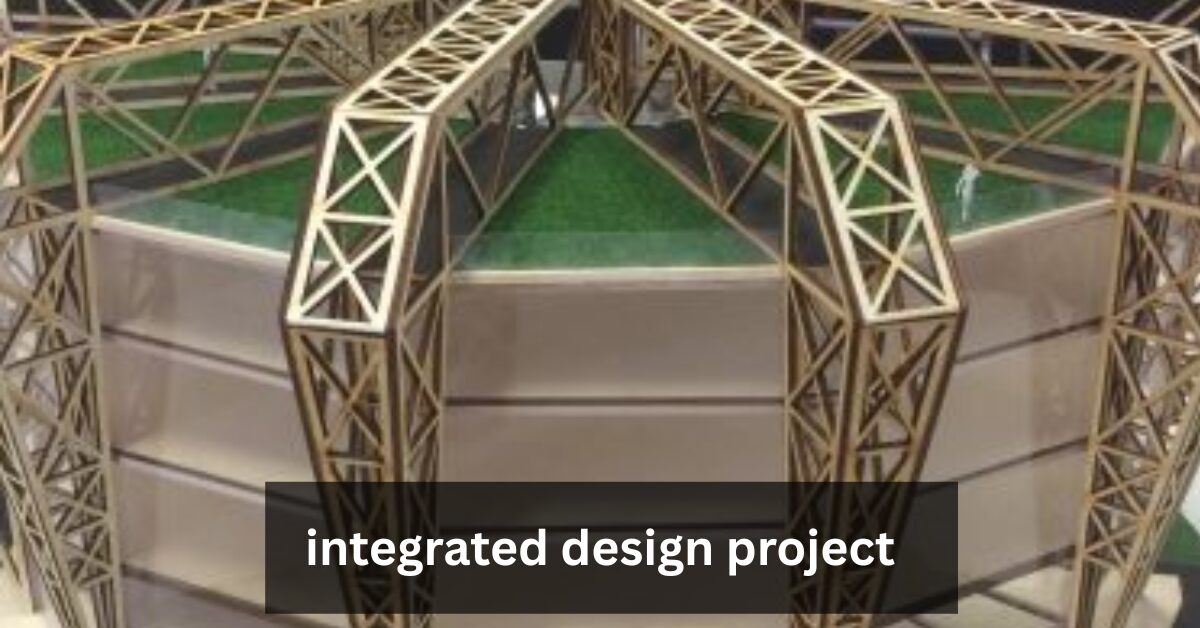
An integrated design project is an advanced, project-based learning experience where learners apply knowledge from multiple disciplines to solve a real-world problem. Instead of working in isolated subjects, students integrate design, analysis, implementation, testing, and evaluation into one cohesive workflow. This mirrors professional practice and prepares learners for complex industry challenges.
At its core, the integrated design project connects theory to practice in engineering and design, ensuring that academic concepts translate into functional, validated outcomes. It is commonly delivered as a capstone project or as part of an advanced integrated design project course.
Modern industries demand professionals who can think across systems, collaborate effectively, and innovate responsibly. Integrated design projects meet this demand by emphasizing real-world problem solving, stakeholder alignment, and continuous improvement. They also support accreditation standards and employer expectations.
As engineering education and architectural education evolve, integrated design projects have become essential tools for bridging academia and industry—building confidence, competence, and creativity in graduates.
RELATED: INS: The New Era of Digital Identity
2. Integrated Design Project: Meaning and Definition
Integrated Design Project Meaning
The integrated design project meaning centers on unifying multiple knowledge areas into a single, goal-driven effort. Students don’t just design; they analyze, validate, optimize, and communicate solutions within realistic constraints.
This integration of multiple disciplines fosters systems thinking and prepares learners to handle complexity with clarity and confidence.
Integrated Design Project Definition in Simple Terms
In simple terms, the integrated design project definition is:
A structured project where students combine skills from different subjects to design, build, and validate a real solution.
It emphasizes end-to-end ownership—from requirements to final presentation.
Origin and Academic Background
Integrated design projects emerged from modern design pedagogy and outcome-based education (OBE). Accreditation bodies such as ABET (engineering) and NAAB (architecture) encourage integrative learning to ensure graduates meet professional standards.
3. Purpose and Objectives of an Integrated Design Project
Core Objectives
The primary integrated design project objectives include applying theory to practice, encouraging interdisciplinary collaboration, and delivering validated solutions. Students learn to balance performance, cost, sustainability, and risk.
These objectives reflect real professional environments where trade-offs are unavoidable and informed decisions matter.
Learning Outcomes for Students
Students completing an integrated design project gain deep technical insight, stronger communication skills, and hands-on experience with design analysis and implementation. They also develop confidence in documentation and technical reporting.
Alignment with Industry Needs
Industry values graduates who can manage uncertainty and collaborate across domains. Integrated design projects align academic output with workforce needs by embedding functional and technical requirements, timelines, and stakeholder expectations.
4. Importance of Integrated Design Project in Modern Education
Role in Engineering Education
In engineering education, the integrated design project serves as a bridge between classroom learning and professional practice. It reinforces analytical rigor while encouraging innovation.
Students experience the full engineering lifecycle—requirements, modeling, prototyping, testing, and verification—within a controlled academic setting.
Role in Architecture and Design Programs
Within architectural education, integrated design projects promote holistic thinking. Design decisions consider structure, environment, materials, and user experience together, not in isolation.
This integrated mindset leads to more sustainable, feasible, and human-centered outcomes.
Contribution to Outcome-Based Education
Outcome-based education focuses on demonstrable skills. Integrated design projects provide measurable outcomes aligned with accreditation requirements, ensuring accountability and transparency in learning.
5. Integrated Design Project Methodology
Interdisciplinary and Multidisciplinary Approach
An effective integrated design project methodology combines expertise from multiple domains—engineering, design, management, and sustainability. Teams collaborate to ensure decisions are technically sound and contextually relevant.
This approach mirrors professional practice and encourages mutual respect among disciplines.
Design Thinking in Integrated Design Projects
Design thinking guides teams through empathy, ideation, and iteration. It ensures solutions are user-focused and adaptable, enhancing innovation and creativity in design.
Systems Engineering Perspective
From a systems engineering view, integrated design projects treat problems as interconnected systems. This helps manage complexity and ensures alignment between subsystems and overall objectives.
6. Step-by-Step Integrated Design Project Process
Problem Identification and Requirement Analysis
The integrated design project process begins with understanding stakeholder requirements. Teams define scope, constraints, and success criteria to ensure alignment from day one.
Research and Feasibility Study
Next comes research, benchmarking, and sustainability and feasibility analysis. Teams evaluate technical viability, cost, and risk before committing to solutions.
Concept Development and Selection
Multiple concepts are generated and evaluated using objective criteria. This encourages creativity while maintaining discipline.
Detailed Design and Modeling
Chosen concepts are developed into detailed models using CAD or BIM tools. Functional and technical requirements guide every design decision.
Prototyping and Implementation
Prototyping turns ideas into tangible outcomes. Teams test assumptions early, reducing risk and improving confidence.
Testing, Validation, and Optimization
Finally, validation and verification confirm performance. Iterative improvements ensure the solution meets all requirements.
7. Tools and Technologies Used in an Integrated Design Project
Design and Modeling Tools
Tools like CAD and BIM support visualization, accuracy, and collaboration. They are essential for modern integrated design projects.
Simulation and Analysis Software
Simulation tools allow teams to test scenarios virtually, supporting cost optimization and risk assessment.
Project Management and Collaboration Tools
Effective communication is critical. Project management platforms help teams track progress, manage tasks, and document decisions.
8. Integrated Design Project Examples and Case Studies
Integrated Design Project in Engineering
Engineering examples include renewable energy systems, smart devices, and manufacturing solutions. These projects emphasize performance, safety, and scalability.
Integrated Design Project in Architecture
Architectural projects often focus on sustainable buildings, urban design, and adaptive reuse—integrating aesthetics, structure, and environment.
Integrated Design Project in Product and System Design
Product design projects blend user experience, engineering, and business considerations to deliver market-ready solutions.
9. Benefits of an Integrated Design Project
Benefits for Students
Students gain confidence, practical skills, and a portfolio that demonstrates real capability. The integrated design project benefits extend beyond grades.
Benefits for Institutions
Institutions strengthen accreditation outcomes and industry partnerships while enhancing educational quality.
Benefits for Industry Collaboration
Industry partners benefit from fresh ideas and early access to skilled graduates.
10. Challenges in Integrated Design Projects and How to Overcome Them
Team Coordination Issues
Clear roles, communication tools, and leadership reduce friction and build trust.
Time and Resource Constraints
Structured planning and realistic scopes help manage limitations.
Technical Complexity
Breaking problems into manageable subsystems simplifies complexity.
Assessment and Evaluation Challenges
Transparent rubrics and continuous feedback ensure fairness and clarity.
11. Integrated Design Project vs Traditional Capstone Projects
Key Differences
While both are capstone experiences, integrated design projects emphasize deeper interdisciplinary integration and lifecycle thinking.
When to Choose an Integrated Design Project
Choose an integrated design project when real-world complexity and collaboration are priorities.
Academic and Professional Relevance
Integrated projects better reflect professional practice, enhancing employability.
12. Assessment and Evaluation of Integrated Design Projects
Evaluation Criteria
Criteria include technical quality, innovation, teamwork, and documentation.
Rubrics and Performance Metrics
Rubrics aligned with OBE and accreditation standards ensure consistency.
Documentation and Presentation Standards
Clear reporting and confident presentation and project defense demonstrate professionalism.
13. Integrated Design Project Report Structure
Recommended Report Format
A strong integrated design project report includes introduction, methodology, results, discussion, and conclusions.
Key Sections to Include
Design rationale, testing results, risk analysis, and sustainability considerations are essential.
Common Mistakes to Avoid
Avoid vague requirements, poor documentation, and unvalidated claims.
14. Integrated Design Project Topics and Ideas
Engineering Integrated Design Project Ideas
Smart grids, autonomous systems, and sustainable manufacturing offer rich opportunities.
Architecture and Design Project Ideas
Net-zero buildings and resilient urban spaces are highly relevant.
Emerging Technology-Based Projects
AI-driven systems, IoT platforms, and digital twins represent future-focused topics.
15. Skills Developed Through Integrated Design Projects
Technical Skills
Students strengthen analysis, modeling, and validation skills.
Soft Skills and Teamwork
Communication, leadership, and collaboration flourish in integrated teams.
Project Management and Leadership
Planning, decision-making, and accountability prepare students for leadership roles.
16. Future Scope of Integrated Design Projects
Industry-Academia Collaboration
Partnerships will deepen, enhancing relevance and impact.
Sustainability and Smart Systems
Integrated design projects will increasingly address global challenges.
Role of AI and Digital Transformation
AI will accelerate design, simulation, and optimization processes.
RELATED: Mac Računala: The Complete Guide to Apple Computers
Frequently Asked Questions
What Is an Integrated Design Project?
It is a multidisciplinary project that integrates theory and practice to solve real problems.
Is an Integrated Design Project Mandatory?
In many programs, yes—especially where accreditation standards apply.
How Is an Integrated Design Project Evaluated?
Through rubrics covering technical quality, teamwork, and documentation.
Who Should Do an Integrated Design Project?
Final-year students in engineering, architecture, and design disciplines.
Summary
The integrated design project is more than an academic requirement—it is a transformative learning experience. It builds competence, confidence, and creativity.
By uniting disciplines, aligning with industry, and fostering innovation, integrated design projects prepare learners for meaningful, impactful careers. They are essential for modern education—and for shaping the future of design and engineering.