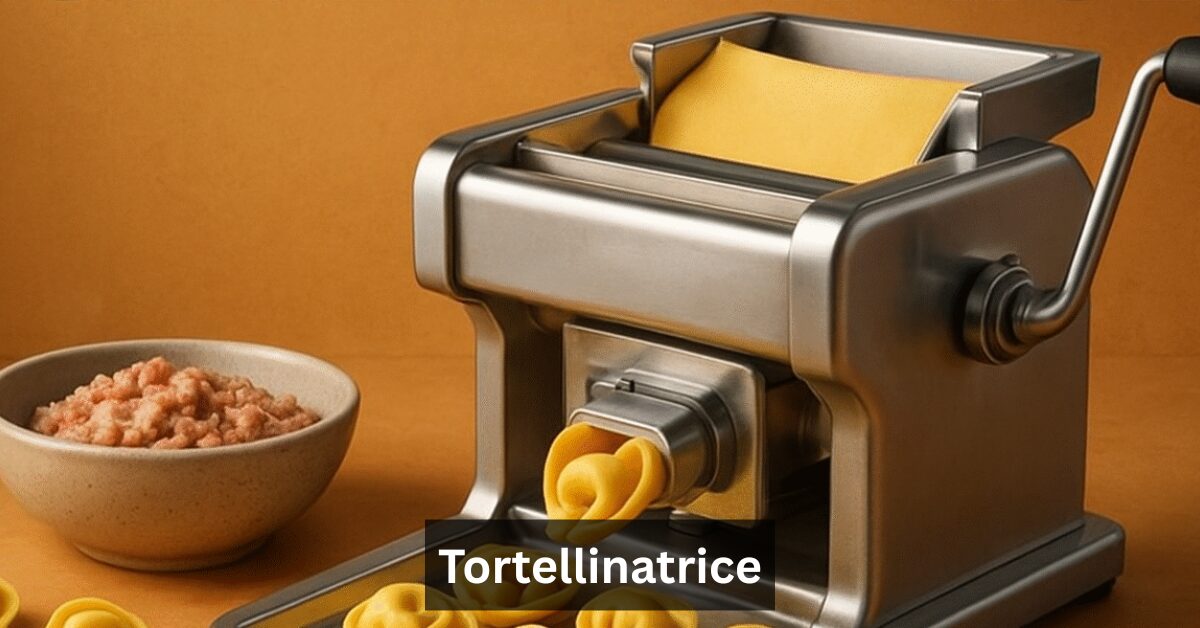
The Tortellinatrice modernizes Italian cuisine by turning traditional handmade tortellini into a faster, more efficient creation process. This sophisticated pasta-making machine allows chefs, small-scale producers, and industrial operations to produce consistently shaped and perfectly filled tortellini at high speed. Unlike manual preparation, where precision and patience are essential, the Tortellinatrice ensures that each tortellino maintains uniform size, shape, and filling distribution, making it indispensable in both home and professional kitchens.
In Italian culinary tradition, tortellini are celebrated not only for their delicate taste but also for the meticulous craftsmanship involved in their creation. The Tortellinatrice bridges the gap between artisanal skill and modern technology, offering a reliable way to replicate traditional flavors while saving time and labor. Whether you are using a homemade tortellini machine or an industrial Tortellinatrice, this tool preserves the culinary heritage of Emilia-Romagna while enhancing productivity and kitchen efficiency.
What is a Tortellinatrice?
A Tortellinatrice is a specialized machine designed to automate the production of tortellini, a type of stuffed pasta originating from Emilia-Romagna, Italy. At its core, the Tortellinatrice macchina functions as a multi-stage system: it rolls the dough sheet, deposits the filling, folds and shapes the pasta, seals the edges, and finally cuts the individual tortellini. Modern tortellinatrici can handle a variety of fillings and dough thicknesses, from the traditional mix of Parmigiano-Reggiano, mortadella, prosciutto, and nutmeg, to vegetarian and gourmet variations.
The versatility of a Tortellinatrice makes it suitable for both artisanal and industrial applications. Manual and tabletop models cater to home pasta enthusiasts, while fully automatic industrial machines support large-scale production lines, achieving impressive tortellini throughput per hour. By integrating a tortellini roller and filler system with precise folding mechanisms and cutting tools, the Tortellinatrice guarantees uniform results that honor the traditional craft while leveraging the advantages of automation.
Why Tortellinatrice Matters in Italian Cuisine
Italian cuisine is rooted in tradition, with each region showcasing its unique culinary heritage. In Emilia-Romagna, tortellini hold a special place as a symbol of culinary artistry and cultural pride. The Tortellinatrice plays a pivotal role in preserving this legacy while adapting to modern demands. With this machine, chefs can produce authentic tortellini in large quantities without compromising quality, ensuring that the pasta retains its delicate texture, precise folding, and proper tortellini shape and seal.
The Tortellinatrice also addresses the challenges of modern kitchens, where efficiency, consistency, and hygiene are paramount. By automating the filling, folding, and cutting process, the Tortellinatrice reduces human error, minimizes contamination risk, and ensures food safety in line with professional standards. For restaurants and catering businesses, it represents a perfect blend of tradition and technology, supporting culinary excellence at scale.
Traditional Hand-Made Tortellini vs Machine-Made Tortellini
Hand-made tortellini are a testament to skill, patience, and dedication. Artisans meticulously roll the dough, portion the filling, and fold each tortellino by hand. While the process results in unparalleled taste and aesthetic appeal, it is labor-intensive and time-consuming. Here, the Tortellinatrice provides a modern solution, automating repetitive steps while maintaining the essence of traditional flavors.
The Tortellinatrice achieves remarkable consistency, ensuring that every tortellino is identical in size, shape, and sealing quality. This is particularly important for cooking, as uniform pasta cooks evenly and presents beautifully on the plate. By combining artisanal inspiration with automation in food industry standards, the Tortellinatrice allows producers to meet higher demand without sacrificing authenticity.
History of Tortellini and the Tortellinatrice
Origins of Tortellini in Emilia-Romagna
Tortellini date back to the 12th century, originating in Emilia-Romagna, with cities like Bologna and Modena serving as culinary hubs. Traditionally, these small, ring-shaped pasta pieces are filled with a blend of Parmigiano-Reggiano, mortadella, prosciutto, and subtle hints of nutmeg, showcasing the region’s rich gastronomy. The labor-intensive folding process gave rise to skilled artisans, often referred to as artisanal tortellini makers, who preserved this culinary heritage across generations.
Evolution from Artisanal Craft to Automation
The transition from hand-made to machine-assisted production began with the introduction of filled pasta machines and tortellini forming machines. These devices replicated traditional techniques while increasing production capacity and efficiency. Modern tortellinatrici offer precision-engineered folding mechanisms, sealing units, and cutting tools, bridging the gap between craftsmanship and industrial efficiency.
Cultural Significance of Handmade Tortellini
Handmade tortellini remain a cultural icon in Italian cuisine, symbolizing dedication, family traditions, and regional pride. The Tortellinatrice honors this heritage by replicating the intricate folding patterns and tortellini shape and seal traditionally created by hand. Its presence in kitchens represents a harmonious blend of craftsmanship and culinary heritage, ensuring that modern efficiency does not come at the expense of authenticity.
How a Tortellinatrice Works
The Tortellinatrice integrates multiple components to automate the pasta-making process:
- Dough Feeder / Hopper: Feeds pre-rolled dough sheets into the machine.
- Tortellini Filling System: Deposits precise portions of filling/stuffing.
- Folding Mechanism: Shapes the tortellini into their iconic ring form.
- Sealing Unit: Closes the edges to prevent leaks.
- Cutting Tools / Cutters: Separates individual tortellini for cooking or packaging.
This integrated system creates a continuous tortellini production line, enabling high-volume output while maintaining quality and hygiene. Depending on the model, manual, semi-automatic, and fully automatic machines allow varying degrees of automation, from home-use tortellinatrici to industrial tortellinatrici capable of producing hundreds of kilograms per hour.
Types of Tortellinatrice Machines
Manual and Tabletop Models
Ideal for home chefs and small-scale operations, manual tortellinatrici allow users to maintain control over dough thickness, filling, and folding patterns. These machines provide an artisanal tortellini maker experience while offering efficiency for batch production.
Semi-Automatic Machines
Semi-automatic machines combine human oversight with mechanized production, automating filling and folding while allowing operators to monitor dough input and output. They strike a balance between speed and control, ideal for mid-sized kitchens and boutique pasta businesses.
Industrial High-Capacity Models
Designed for large-scale pasta production, industrial tortellinatrici feature stainless steel construction, multiple feeding hoppers, high-speed tortellini roller and filler systems, and automated cutting and sealing. These machines offer impressive tortellini throughput per hour, ensuring consistency, hygiene, and efficiency for factories and high-volume restaurants.
Benefits of Using a Tortellinatrice
Speed and Throughput Per Hour
The Tortellinatrice dramatically increases production speed. Manual preparation may yield a few dozen tortellini per hour, while modern machines produce hundreds or even thousands, optimizing both kitchen efficiency and profitability.
Consistency in Shape, Size, and Filling
Uniform tortellini shape and seal are critical for even cooking and professional presentation. The Tortellinatrice ensures every piece meets exact specifications, enhancing the visual and culinary appeal.
Labor Efficiency and Reduced Repetitive Work
By automating filling, folding, and cutting, the Tortellinatrice reduces labor-intensive tasks, allowing chefs to focus on creative elements such as flavor innovation or plating.
Hygiene, Food Safety, and Stainless Steel Construction
Constructed with stainless steel and designed with food-grade materials, modern tortellinatrici prioritize hygiene, preventing contamination and supporting compliance with food safety standards.
Scalability for Production
From home kitchens to industrial facilities, tortellinatrici are scalable, adapting to different production volumes while maintaining quality. Semi-automatic or fully automatic machines can seamlessly integrate into existing pasta production equipment setups.
Choosing the Right Tortellinatrice
Selecting the ideal Tortellinatrice depends on several factors:
- Production Capacity: Consider expected output and desired tortellini throughput per hour.
- Material Quality and Durability: Stainless steel construction ensures longevity and hygiene.
- Adjustable Molds and Machine Versatility: Ability to customize tortellini shape and size.
- Ease of Cleaning and Maintenance: Components should be detachable and easy to sanitize.
By carefully evaluating these factors, operators can select a machine that aligns with both production needs and culinary goals.
Tortellini Ingredients and Filling Options
Traditional fillings for tortellini include Parmigiano-Reggiano, mortadella, prosciutto/pork loin, and a touch of nutmeg. Modern tortellinatrici can handle diverse fillings, from vegetarian mixtures to gourmet options like truffle, ricotta, or seasonal vegetables. The filling system ensures precise portioning, preventing leakage and ensuring consistency, whether in small-batch or industrial production.
Read Also: Xuebaotou: The Ultimate Symbol of Student Dedication
Artisanal vs Machine-Made Tortellini
While the artisanal approach emphasizes hand-crafted care, machine-made tortellini produced with a Tortellinatrice maintain authenticity while scaling production. Taste tests and culinary experts agree that properly calibrated tortellinatrici can produce tortellini virtually indistinguishable from traditional handmade pasta. This balance preserves the craftsmanship and culinary heritage of Italian cuisine while embracing modern efficiency.
Maintenance and Troubleshooting
Proper maintenance is crucial for any Tortellinatrice:
- Cleaning Routines: Regular sanitization prevents contamination and extends machine lifespan.
- Calibration: Adjust dough thickness and filling quantity for optimal results.
- Common Problems and Solutions: Address issues like seal failure, dough jamming, or filling misplacement promptly to ensure uninterrupted production.
Routine maintenance supports reliability, hygiene, and consistent tortellini production quality.
Case Studies and Real-World Applications
Small pasta shops often integrate manual or semi-automatic tortellinatrici to meet daily demand, while larger restaurants or pasta factories rely on industrial tortellinatrici to maintain consistent output. Success stories highlight how integrating these machines increases productivity, reduces labor costs, and preserves the tortellini shape and seal that customers expect from traditional Italian cuisine.
Future Trends in Tortellinatrice Technology
Automation and AI are shaping the future of pasta-making, with tortellinatrici incorporating intelligent sensors for dough sheet rollers, automated filling adjustments, and real-time quality control. Sustainable production practices, such as energy-efficient motors and minimal dough waste, are becoming standard. Innovations in design, capacity, and hygiene continue to enhance both artisanal and industrial tortellini production lines.
Frequently Asked Questions
Can I use a Tortellinatrice at home?
Yes, there are manual and tabletop tortellinatrici designed specifically for home use. They allow you to produce small batches with precision while maintaining traditional flavors.
How much does a Tortellinatrice cost?
Prices vary depending on capacity and automation, ranging from affordable home-use models to high-end industrial tortellinatrici capable of producing hundreds of kilograms per hour.
What fillings can I use?
Traditional fillings include Parmigiano-Reggiano, mortadella, prosciutto, and nutmeg, but you can also use vegetarian, gourmet, or creative combinations.
How do I clean and maintain it?
Detachable parts should be regularly sanitized, and routine calibration ensures optimal performance of the folding mechanism, sealing unit, and cutting tools.
Can it replace hand-made tortellini entirely?
While a Tortellinatrice excels in efficiency and consistency, artisanal hand-made tortellini remains unique for small batches or special occasions. Properly configured machines, however, can closely replicate traditional quality.
Summary
The Tortellinatrice represents a perfect harmony between tradition and modernity. It enables chefs, artisans, and industrial producers to honor the heritage of tortellini in Emilia-Romagna while achieving high efficiency, hygiene, and consistency. Whether for home kitchens, boutique pasta shops, or large-scale factories, a Tortellinatrice is an indispensable tool for anyone serious about producing authentic, high-quality tortellini.
Investing in a Tortellinatrice ensures that every tortellino embodies the perfect tortellini shape and seal, preserving the cultural icon that is Italian cuisine while embracing modern culinary innovation.